













Museo Arqueológico de Mazatlán
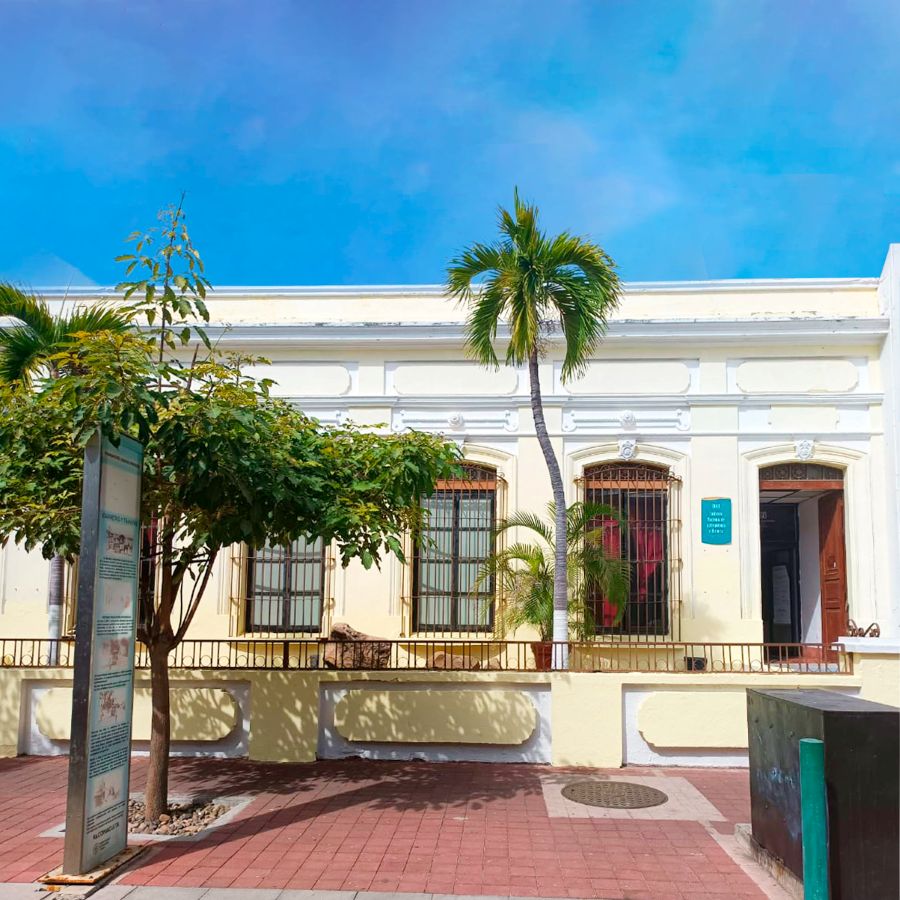
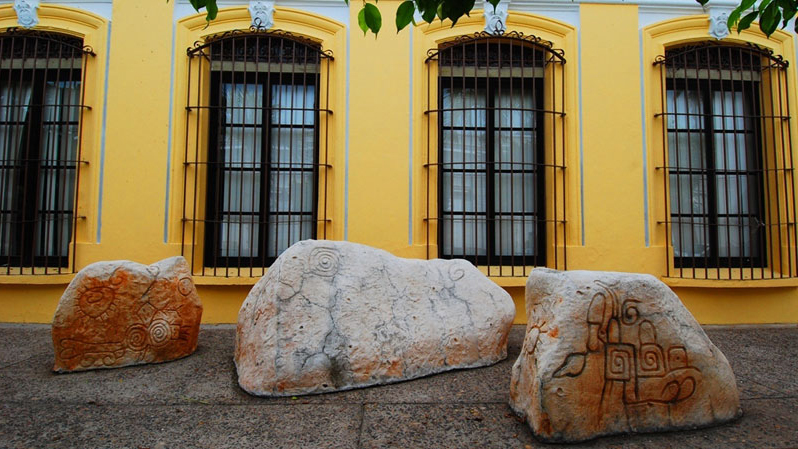
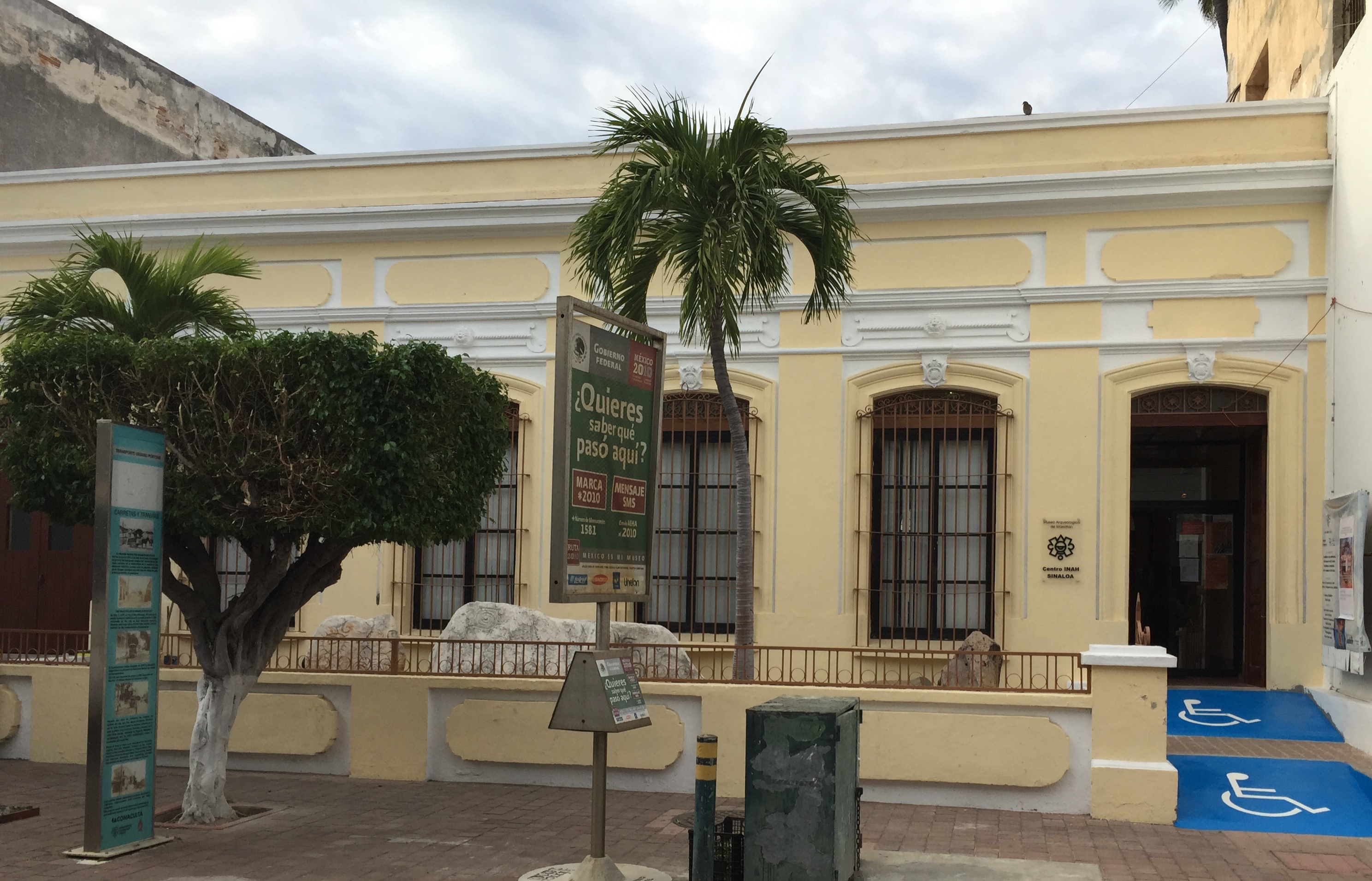
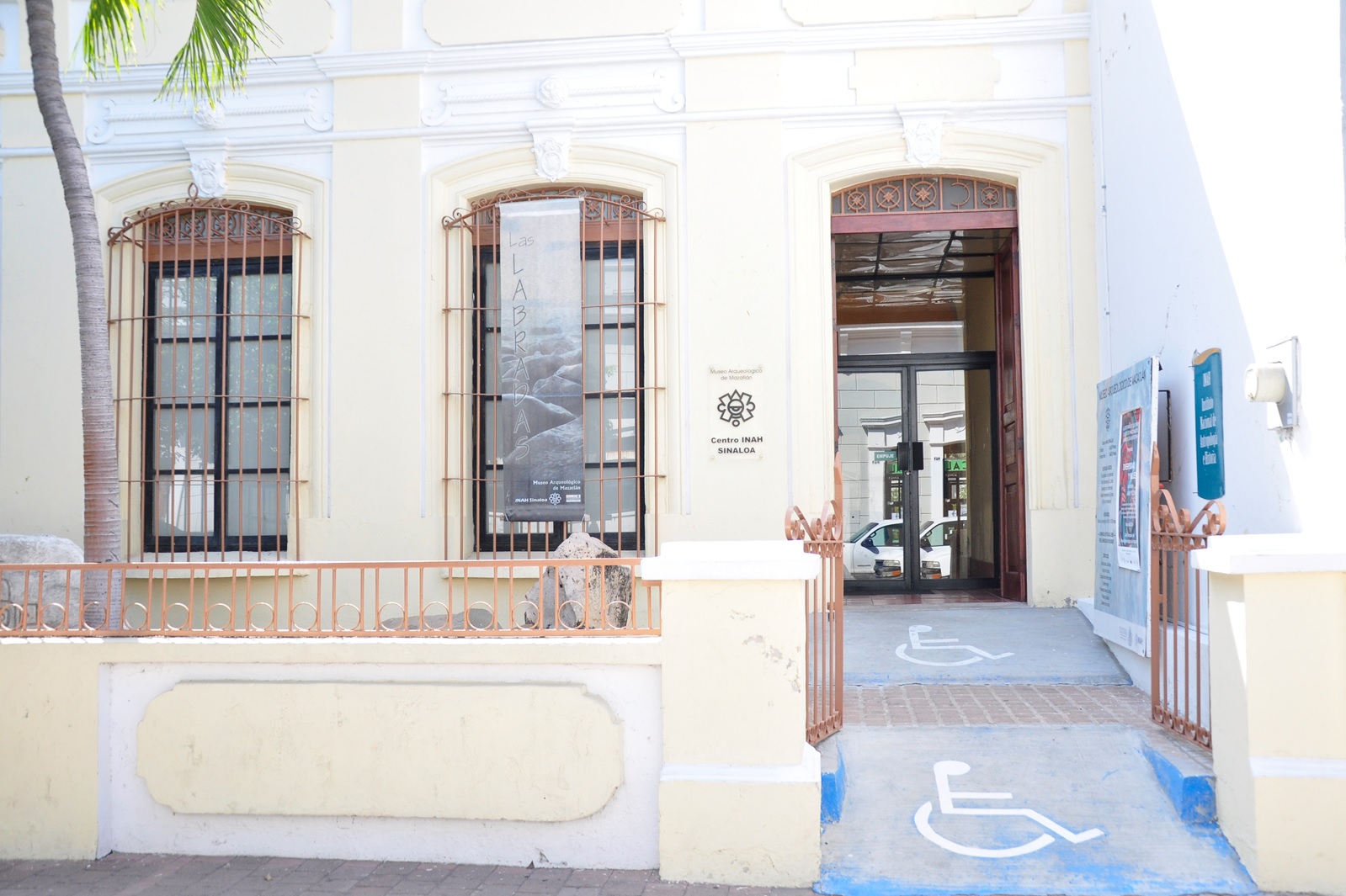
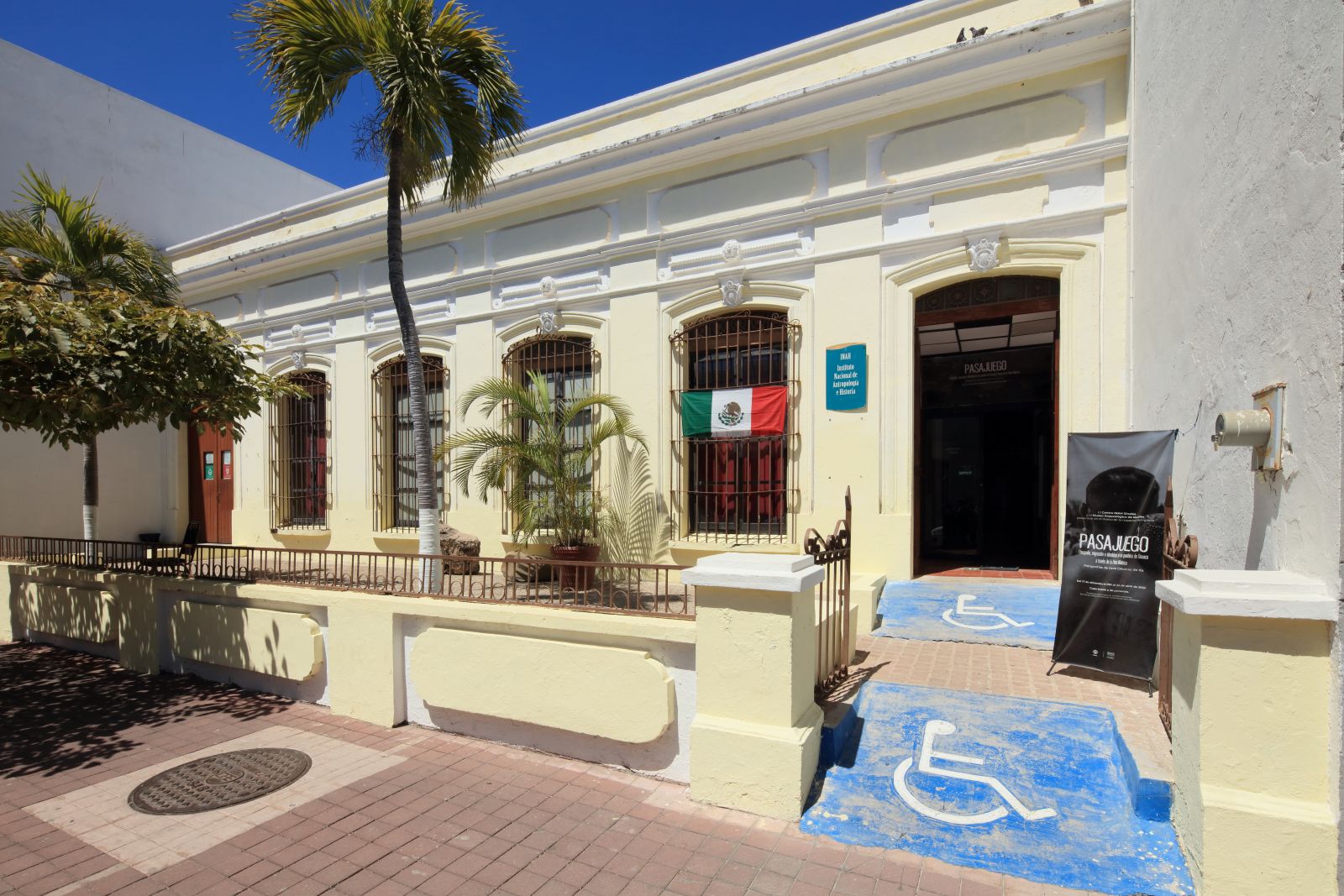
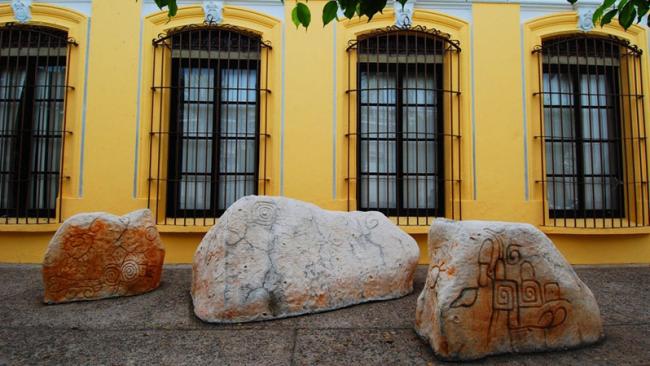
Housed in a mansion from the Porfiriato period, since 1989 the museum has shown temporary fine art exhibitions and a large collection of pre-Hispanic pieces from the indigenous peoples of Sinaloa, particularly fine pottery and human terracotta figures.
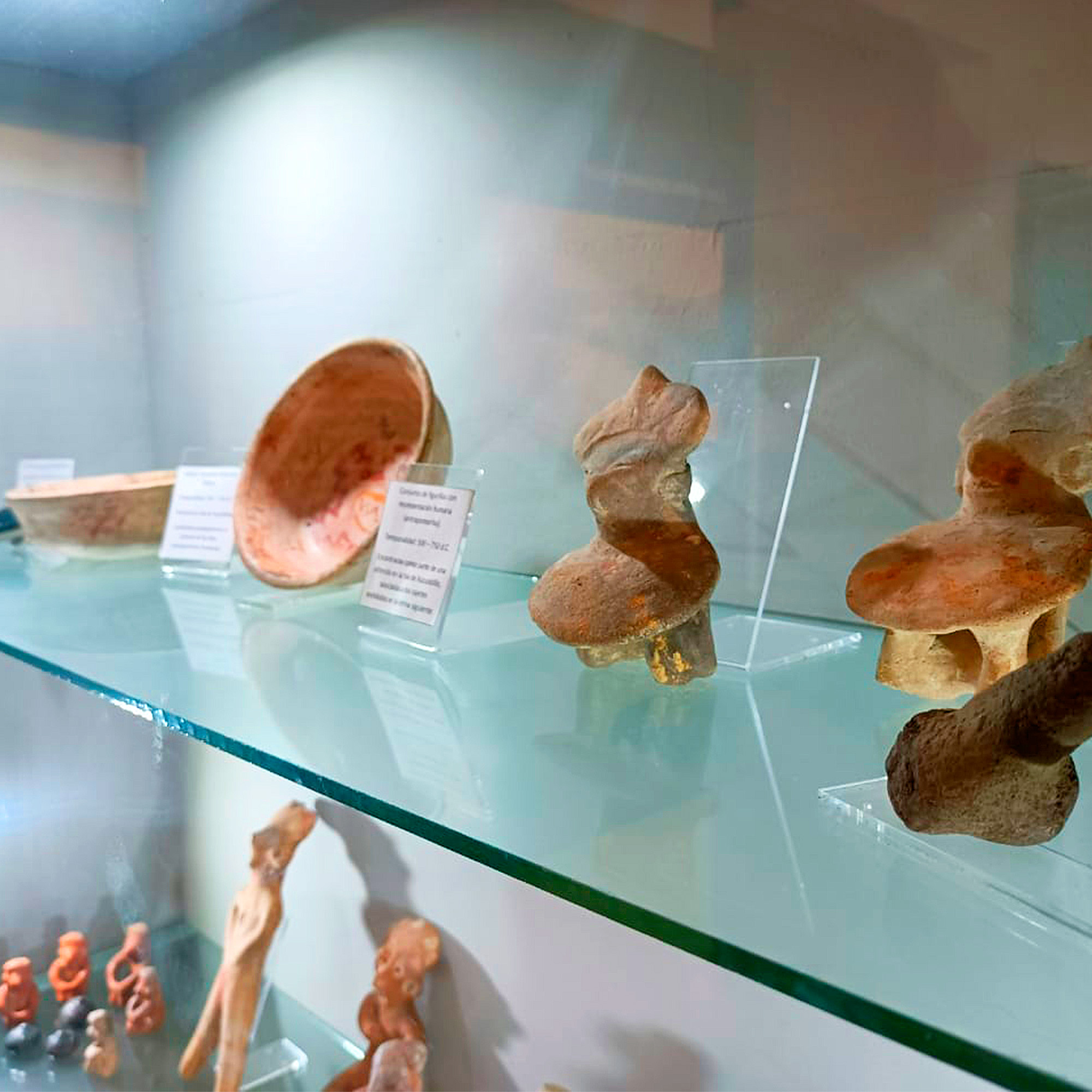
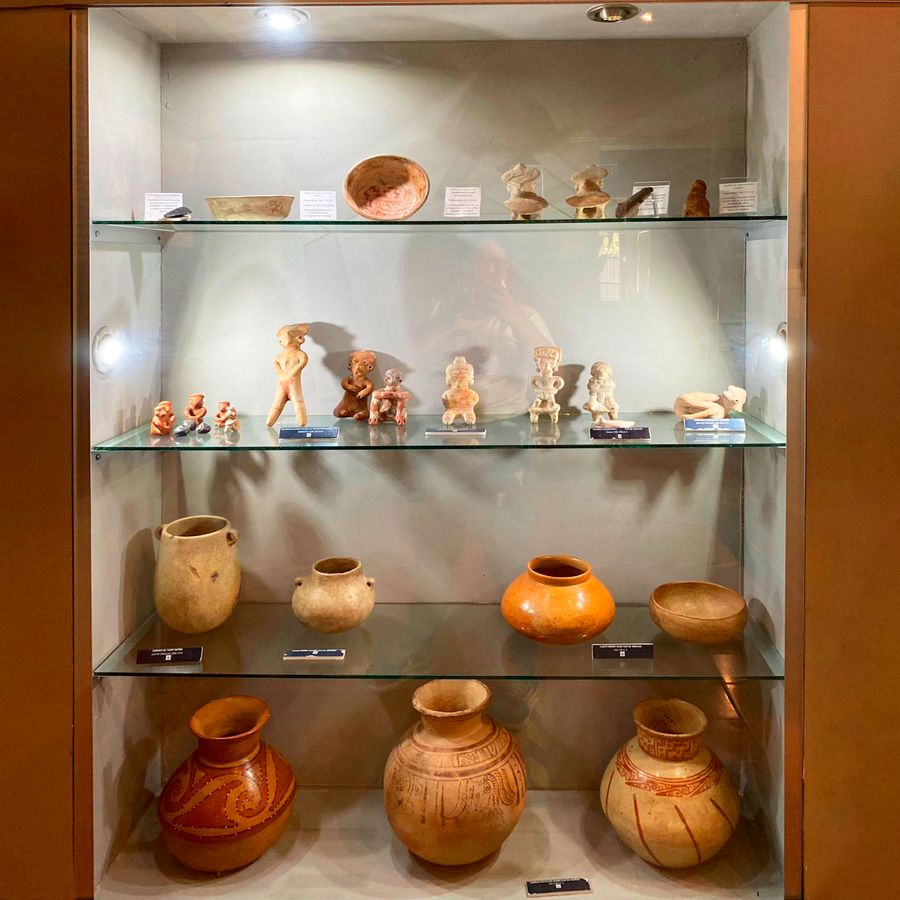
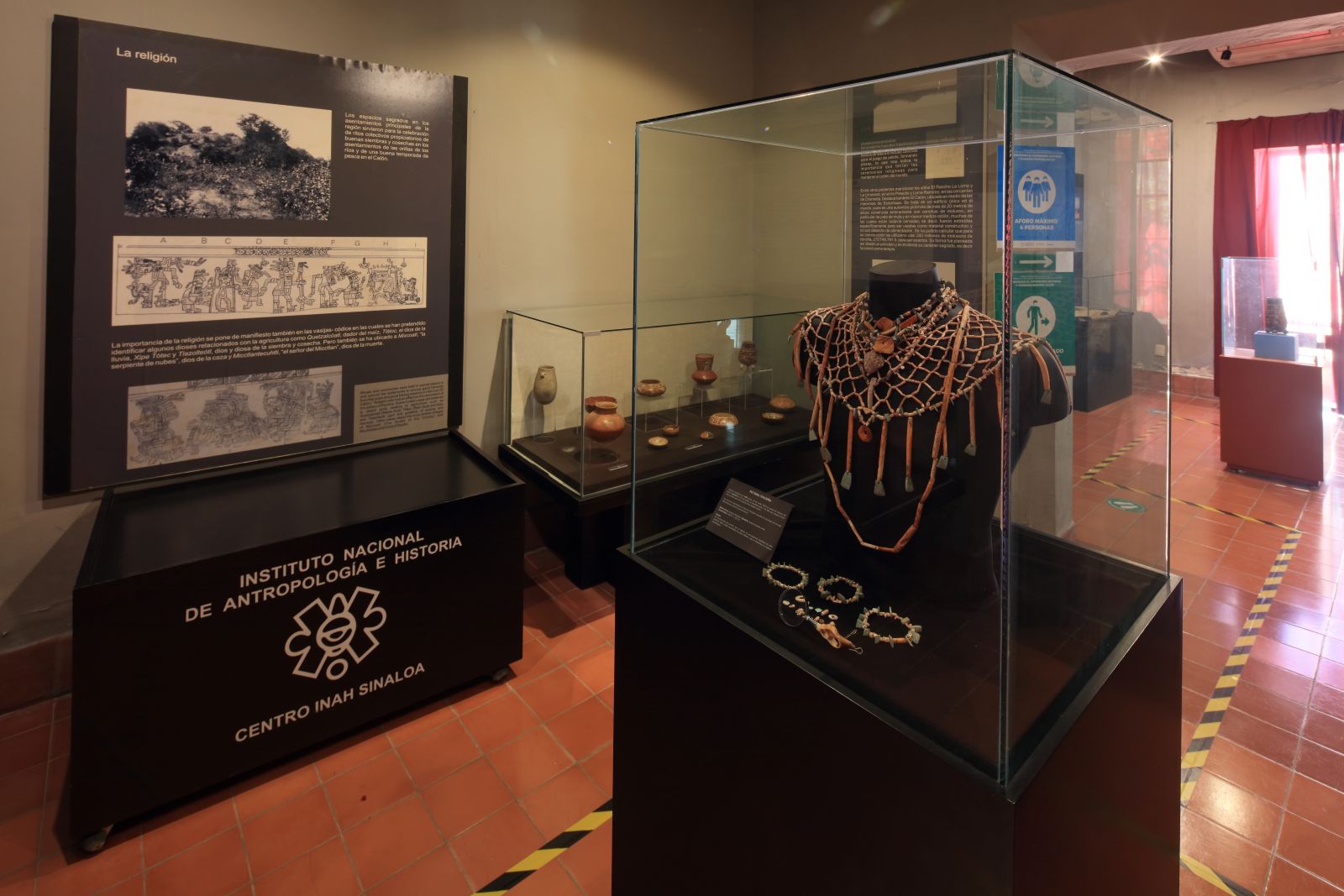
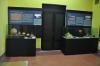
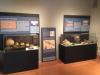
The museum offers a glimpse of the pre-Hispanic culture of the region. It was opened in 1989 in a late-nineteenth-century mansion, first under the management of the Sinaloa State Government, and then under INAH from 1998. Since then it has seen constant improvement to its exhibitions, additions to the collection and enhancements to visitor facilities. The museum has a temporary exhibition gallery for the display of photographs, paintings, sculpture and exhibitions of items on loan from other collections. There are four permanent galleries displaying around 300 objects, notably red, black and cream colored ceramics, earthenware pitchers, terracotta human figures showing the clothing and jewelry of pre-Hispanic peoples, spindle whorls (malacates) and stone axes, clay pipes and obsidian arrow tips and knives. The funerary customs and the ballcourts (known as ulama) are particularly important. A funerary urn with a number of skeletons symbolizing the return to the uterus of the mother earth stands out, as does the exquisitely finished codex-style pottery from Aztatlan, which probably originated in Sinaloa; plus the ceramic representation of a warrior or priest, prepared for a ritual with a shield and horns, given that in pre-Hispanic Mexico these were symbols of power. There is also information on the Spanish conquest of the state.
The city’s history and archeology museum was founded on the initiative of Mazatlan historian and journalist, José C. Valadés. One of the displays still features a selection of the excellent photographs he took of ancient Sinaloan sites and monuments such as the ulamas and the finds which arrived at the museum, alongside the important donation by the artist Carmen Parra, consisting of items from the shaft tombs of Nayarit and Jalisco, and material from the Comala tradition of Colima, the Tarascan Plateau, the Veracruz coastal plain and even from Teotihuacan and Tenochtitlan, as well as from its area of influence.
The Northeast Archeological Region was established in 1966 under the charge of archeologist Héctor Gálvez. The team he headed up and managed produced fruitful research based on the archeological remains of the Sinaloan sites of: Mezcales, Villa Unión, Siqueiros, El Walamo, Chametla and Escuinapa, and the Nayarit sites of: San Felipe, Tecuala, Las Varas and Centispac. Some of the key finds from these excavations are now in the museum’s collection. Among the valuable finds which came from Héctor Gálvez’s work is a tripod vessel which appears to represent a figure whose face is covered by the skin of a sacrificial victim; a feature shared with the two pre-Hispanic deities from Mexico: Xipe-Totec and Tlazolteotl, both closely linked to fertility, nevertheless the type of labrets and headdress lead the vessel to be interpreted as representing Tlazolteotl, the goddess of sexuality.
Room 1
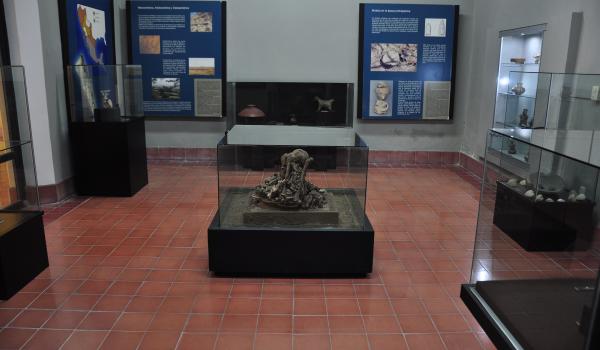
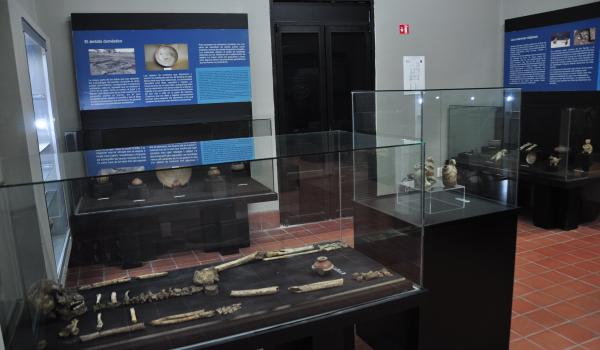
Located immediately to the left of the museum entrance, this is the first room visitors encounter. It provides essential information for understanding the archaeological exhibits throughout the museum. The room begins with basic questions about archaeology—what it is, how it works, and what…
Room 1
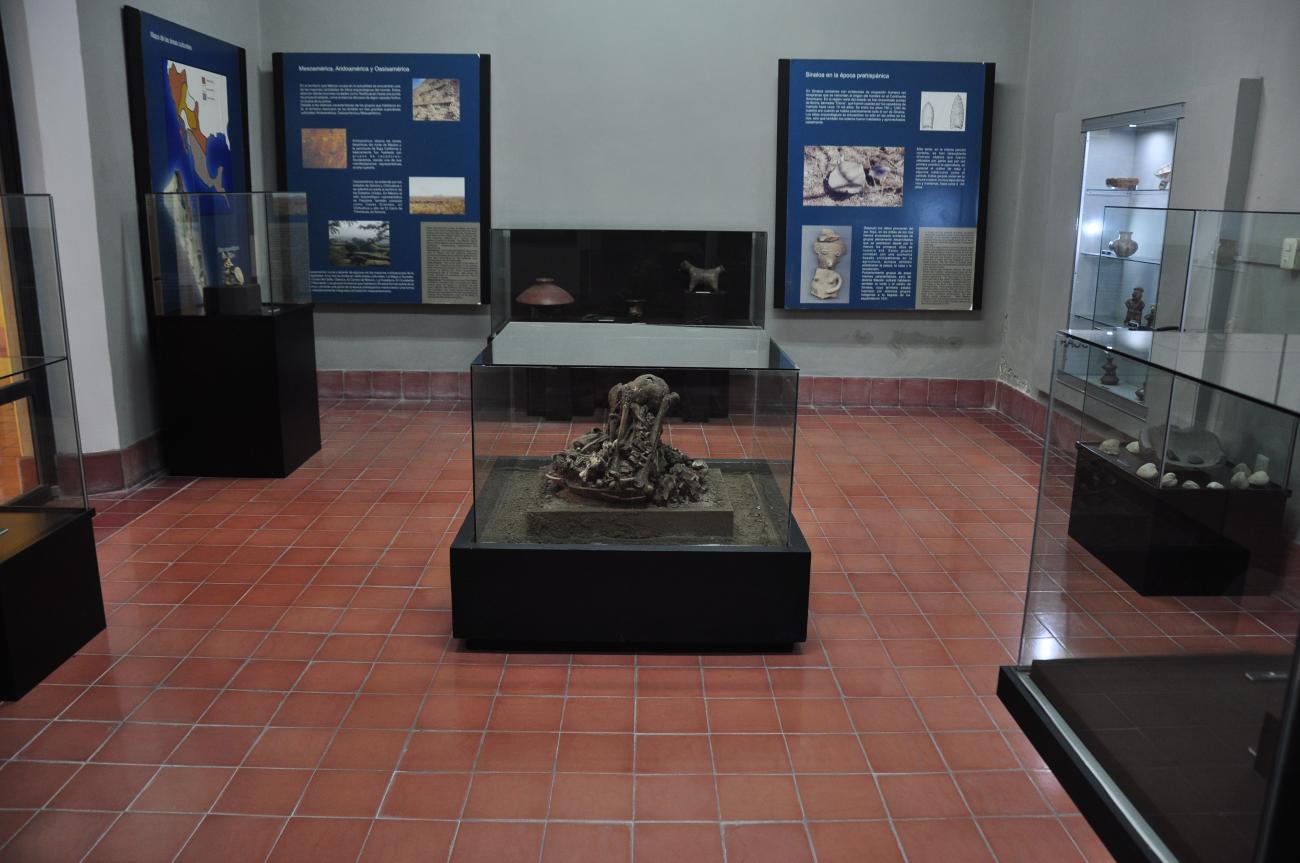
Located immediately to the left of the museum entrance, this is the first room visitors encounter. It provides essential information for understanding the archaeological exhibits throughout the museum. The room begins with basic questions about archaeology—what it is, how it works, and what techniques it uses. It then offers a broad overview of pre-Hispanic Mexico, its major cultural areas, and their subdivision into smaller regions. Special emphasis is placed on the West and Northwest—two areas of Mesoamerica that had the closest interactions with the ancient peoples of southern Sinaloa.
Room 2
This room introduces the museum’s main theme: the pre-Hispanic history of southern Sinaloa, with particular focus on the modern-day municipality of Mazatlán.According to the latest research, human occupation in southern Sinaloa began around 250 BCE, though clearer evidence is available starting…
Room 2
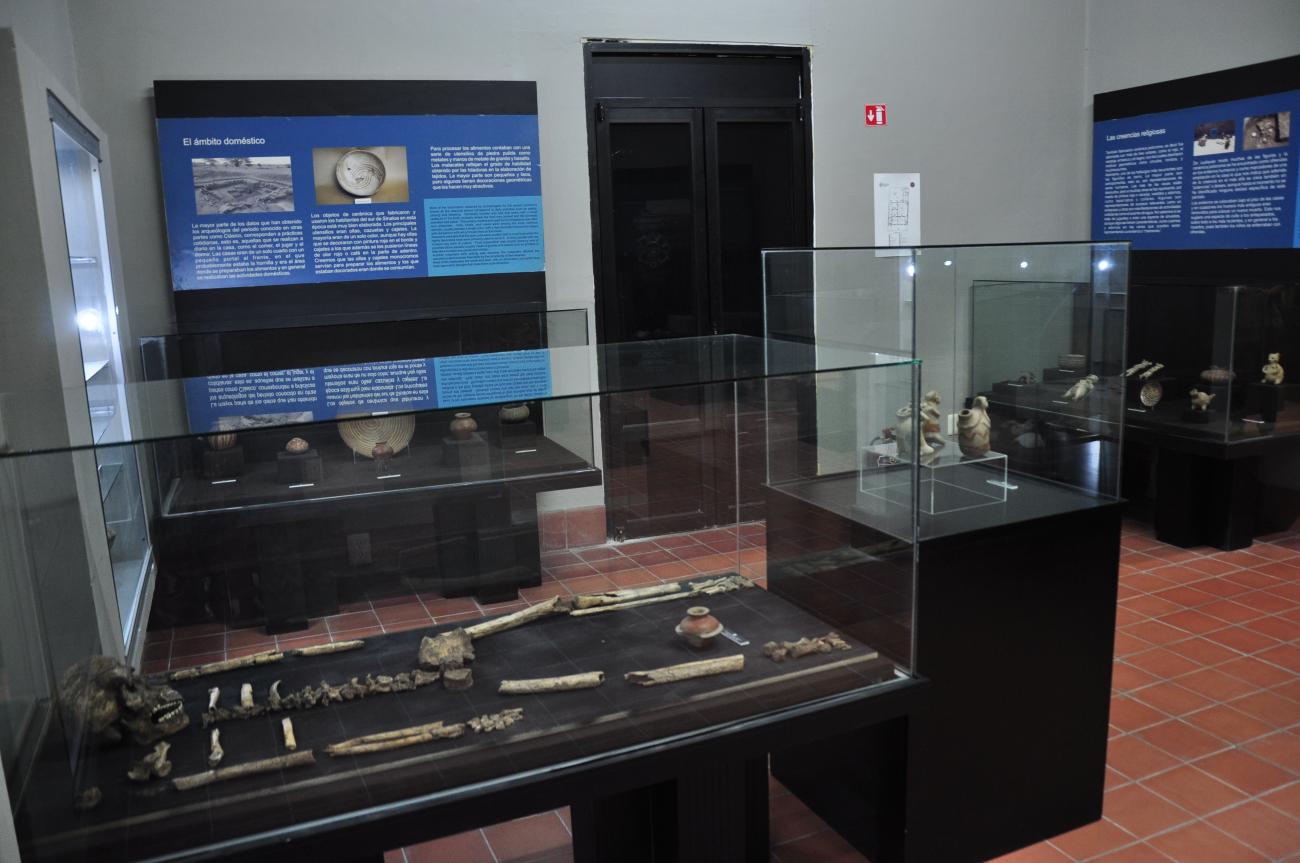
This room introduces the museum’s main theme: the pre-Hispanic history of southern Sinaloa, with particular focus on the modern-day municipality of Mazatlán.
According to the latest research, human occupation in southern Sinaloa began around 250 BCE, though clearer evidence is available starting around 250 CE. From that point until about 750 CE, local societies remained relatively stable in terms of political organization and productive activities.
Room 3
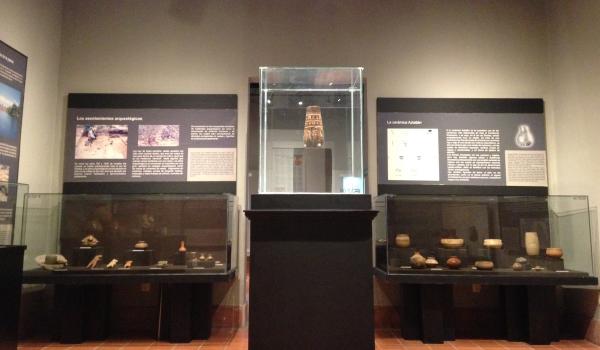
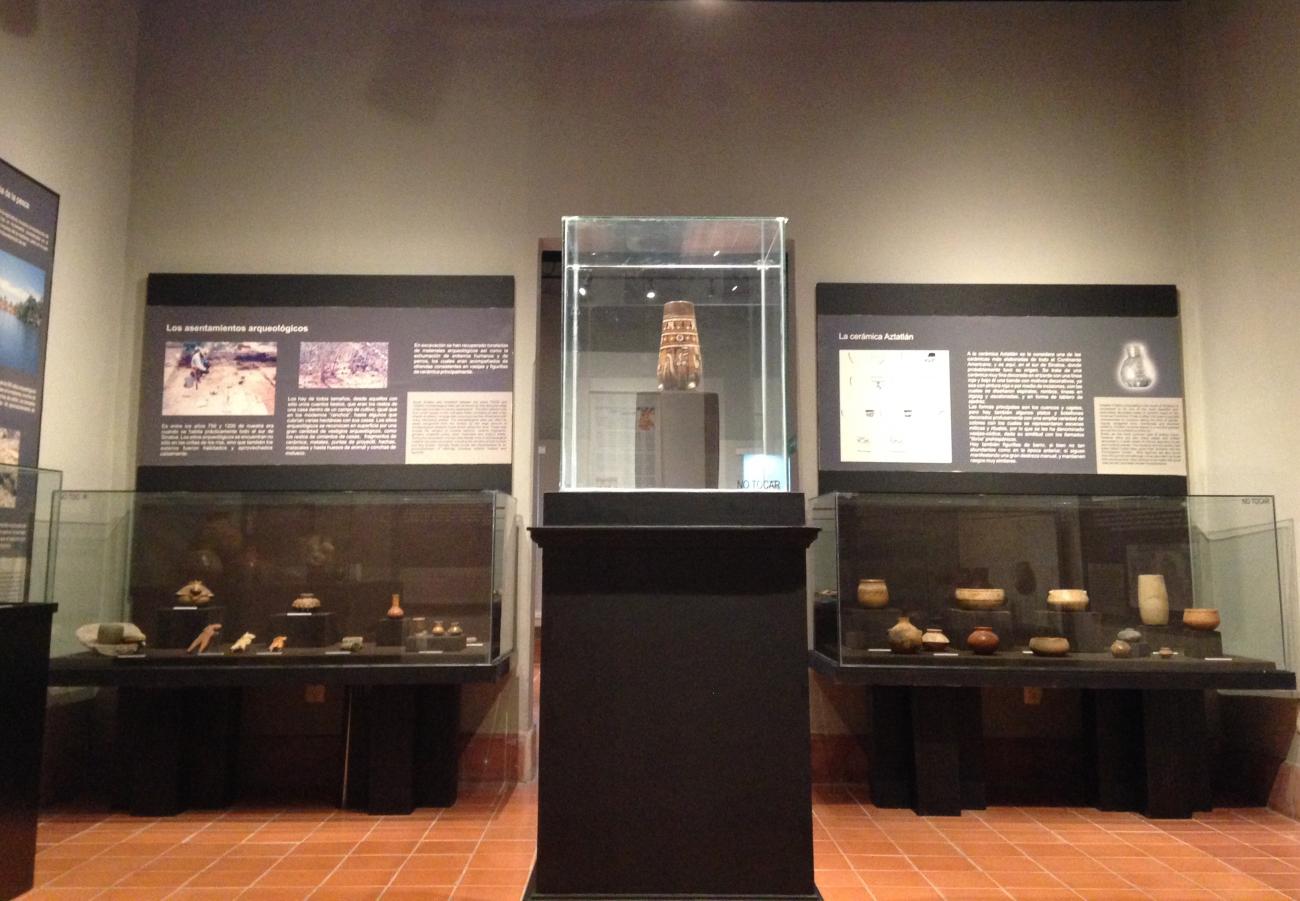
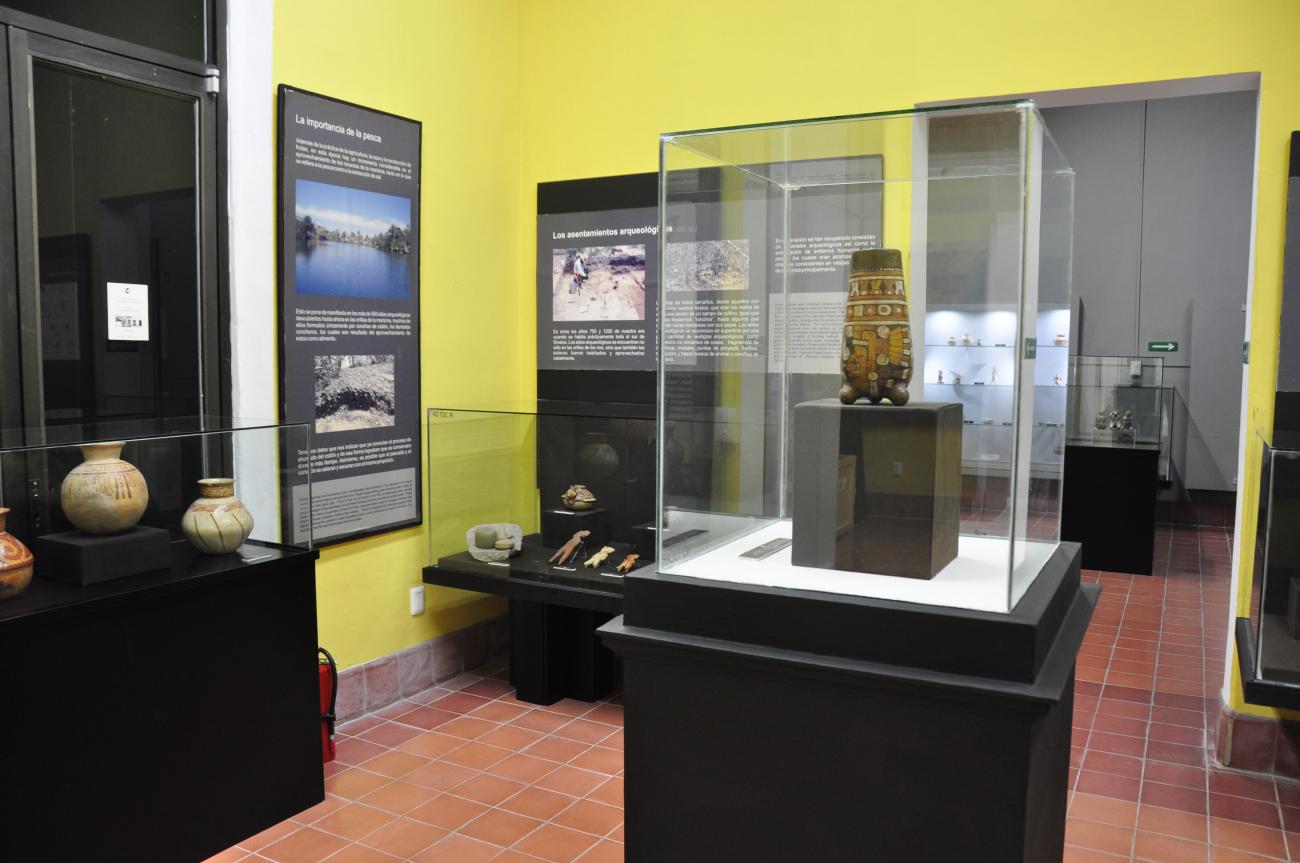
This room represents the core of the exhibition: the Aztatlán horizon (750–1200 CE), which marked the height of pre-Hispanic settlement in Sinaloa. It was during this period that some of the region’s most significant archaeological expressions were developed.
Room 4
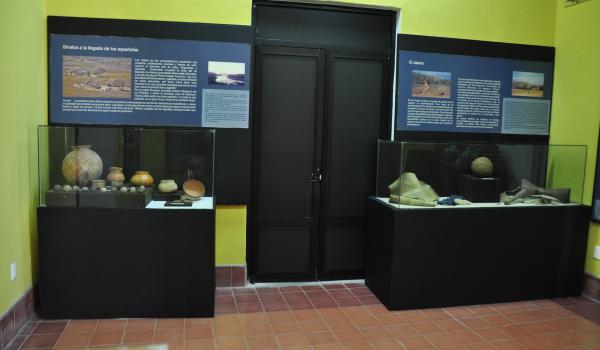
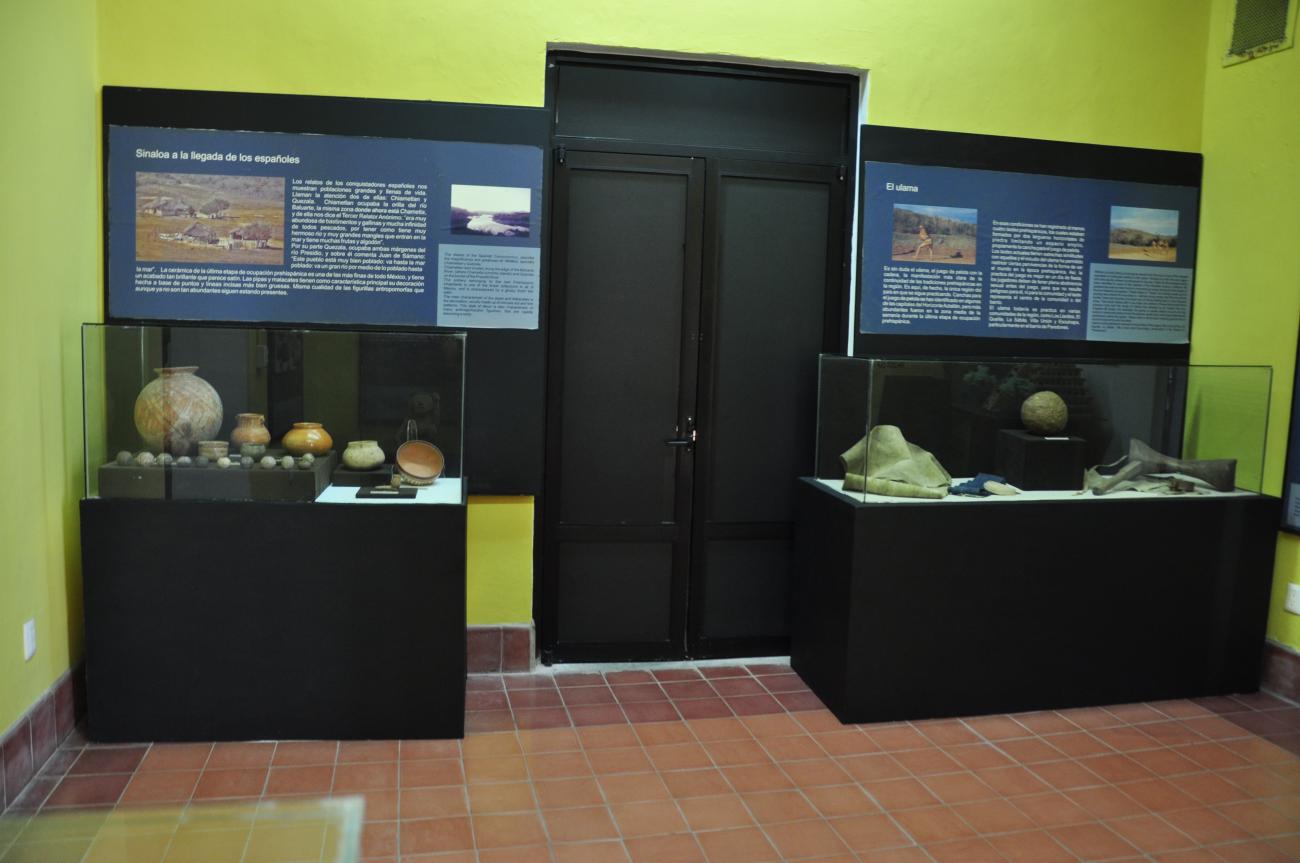
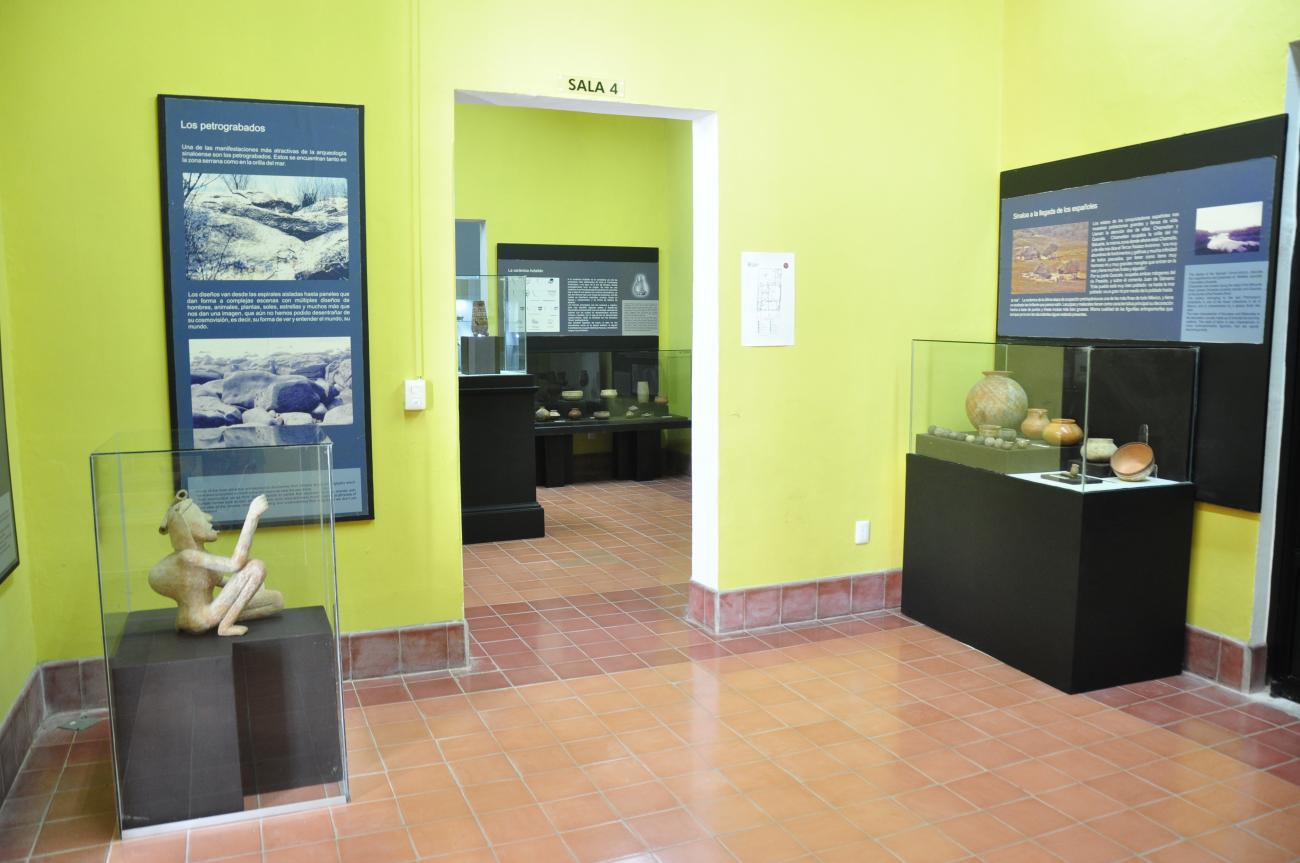
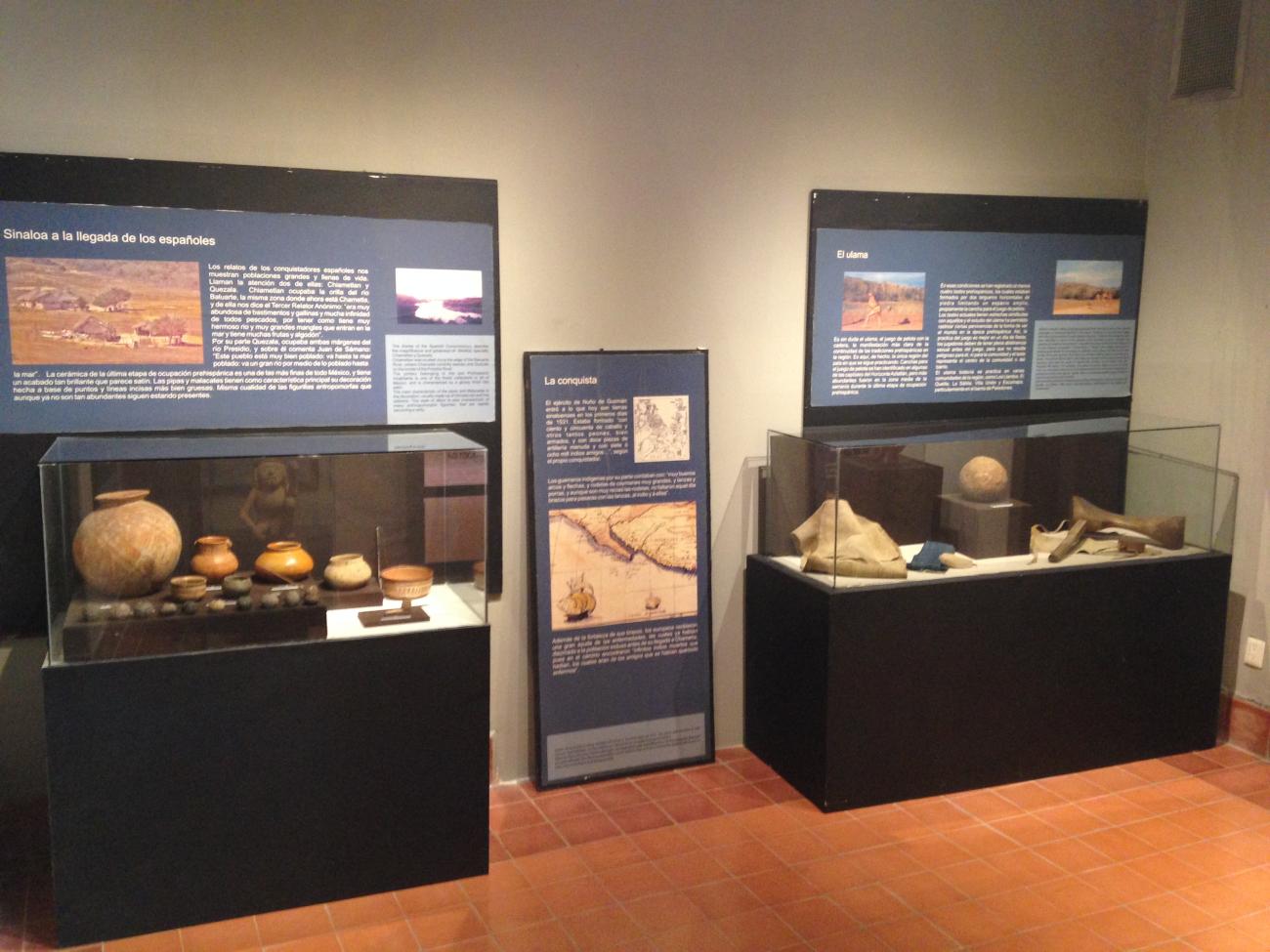
The tour continues with the state of the region in the centuries leading up to the Spanish arrival. After 1300 CE, the population began to shift, concentrating mainly along riverbanks—especially near their mouths where they flow into the sea.

- DirecciónJuan Diego Reyes Lizarragajuandiego_reyes@inah.gob.mx+52 (669) 981 1455 ext. 103Comunicación EducativaDaniel Humberto Torres Ramírezdanielh_torres@inah.gob.mx+52 (669) 981 14 55 ext. 103


Códices de México
2025


Cubes and colors
2015

Arte revolucionario
2014


Abrazos y jardines
2014


Frutos del Évora
2014


Alquimia y color
2013